
Cybercriminals exploit fake domains to impersonate legitimate brands through lookalike registrations. These malicious domains facilitate phishing campaigns, credential theft, and malware distribution. Organizations increasingly depend on DRPS (Digital Risk Protection Services) tools to identify and remove fake domains before customer impact occurs.
What Is a Fake Domain?
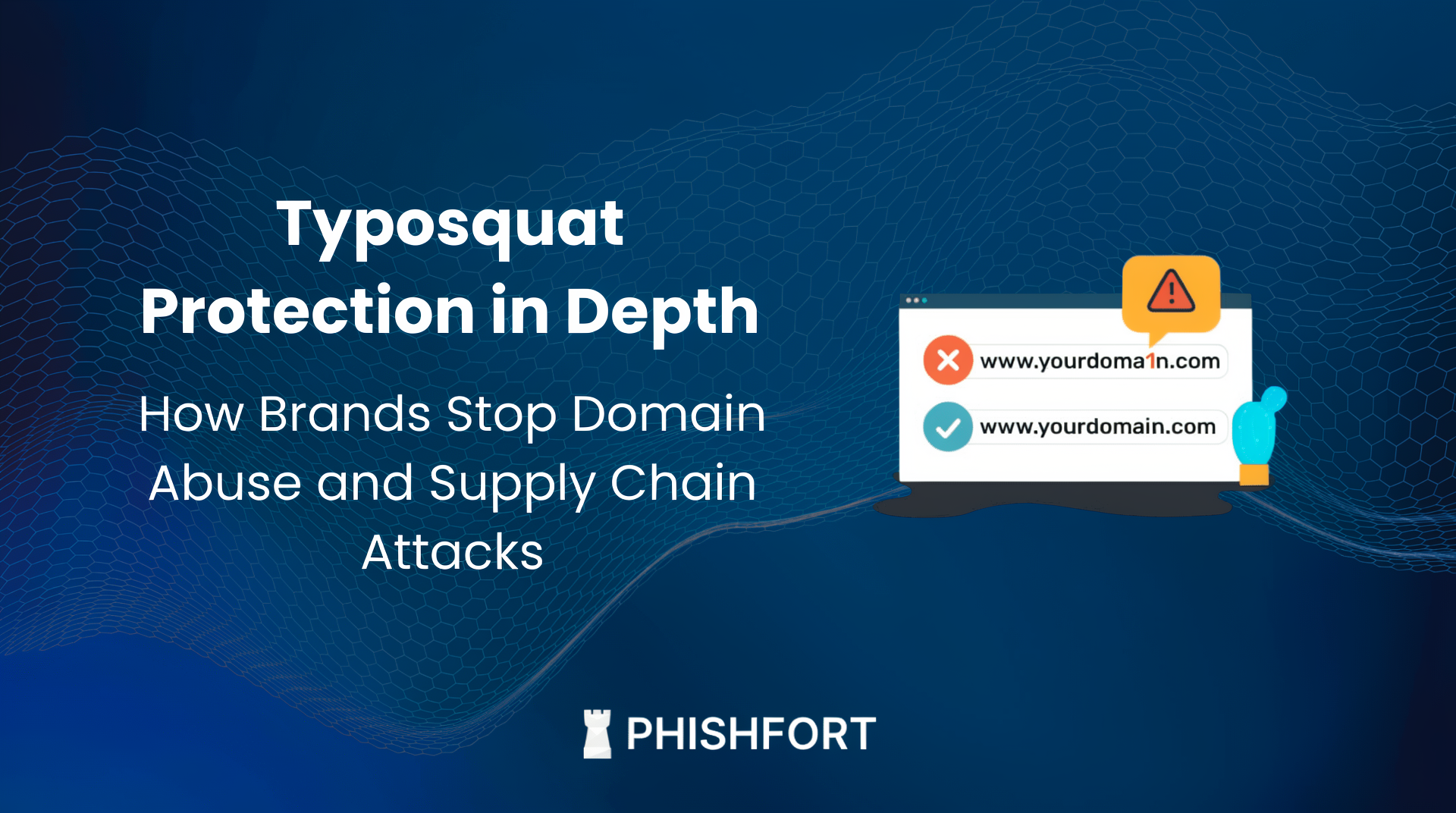
A fake domain is a domain name registered by attackers to impersonate a legitimate brand, product, or service. These typically incorporate minor spelling variations or alternate extensions designed to evade quick inspection. Threat actors utilize instant domain search utilities to locate available lookalikes targeting popular companies.
How Fake Domains Are Created and Deployed
The typical attack workflow involves several stages:
- Target identification — Attackers identify high-value brands with large customer bases
- Domain scanning — They search for available domain variations resembling official brands
- Site cloning — Legitimate websites are copied with logos and authentication flows intact
- Campaign launch — Infrastructure is linked to phishing emails or fraudulent advertisements
Some perpetrators configure proxy settings during registration to obscure ownership and complicate takedown procedures.
Why Fake Domain Threats Succeed
Users typically prioritize visual branding and layout over domain scrutiny. Combined with HTTPS certificates and professional design, fake domains appear credible at first glance.
Integrated social engineering tactics amplify phishing effectiveness. Urgent messaging about account security, prize claims, or limited-time offers push users to act before thinking critically.
Brands face significant consequences:
- Reputational damage when customers are victimized
- Elevated support costs handling fraud reports
- Potential regulatory consequences for inadequate customer protection
- Lost revenue from diverted transactions
DRPS Tools and Detection
Specialized DRPS solutions continuously monitor external attack surfaces. They utilize machine learning to analyze:
- Domain name similarity to protected brands
- Hosting patterns and infrastructure relationships
- Content behaviors and page structures
- SSL certificate issuance patterns
Upon confirmation of malicious intent, these platforms automate takedown requests across registrars and hosting providers, substantially reducing domain lifespan.
Real-World Attack Scenarios
Financial Services
Attackers register banking portal lookalikes and distribute phishing emails claiming account issues require immediate login verification.
SaaS Platforms
Criminals clone business application login pages, harvesting employee credentials that enable account takeovers and data breaches.
E-commerce
Fraudsters deploy fake discount pages and payment interfaces, collecting payment card data from bargain-seeking shoppers.
Mitigation Strategies
Organizations should implement comprehensive protection:
- Monitor domain registrations — Track new registrations across emerging TLDs that resemble your brand
- Analyze hosting patterns — Identify infrastructure clusters associated with malicious campaigns
- Monitor certificate issuance — Watch for SSL certificates issued to lookalike domains
- Combine automation with expertise — Automated detection plus human investigation reduces false positives
- Prioritize swift takedowns — Every hour a fake domain remains live increases victim count
Protecting Your Brand
As domain registration becomes increasingly accessible and affordable, fake domain threats will persist. Proactive protection reduces fraud, safeguards customers, and preserves brand integrity.
PhishFort’s brand protection platform continuously monitors for fake domains targeting your organization. Our combination of automated detection and expert-led takedowns ensures threats are identified and eliminated quickly.
Contact us to learn how we can protect your brand from fake domain attacks.