
If you’ve ever searched Google for a copyright or trademark issue, you’ve likely come across the term DMCA. But what exactly does it mean — and when can you use DMCA takedown services to protect your content?
In this guide, we’ll explain what the DMCA is, how it works, and how specialized takedown services can help you defend your creative assets and intellectual property online.
TL;DR
The Digital Millennium Copyright Act (DMCA) is a U.S. law created to protect digital content from copyright infringement.
It applies primarily to U.S.-based internet service providers (ISPs).
The DMCA allows copyright owners to remove infringing content through a notice and takedown procedure.
A DMCA takedown service ensures the process is handled correctly and efficiently on your behalf.
The DMCA does not apply to trademarks or non-copyright disputes.
What Is the DMCA?
The Digital Millennium Copyright Act (DMCA), enacted in 1998, modernized U.S. copyright law to handle the challenges of the digital age. It provides legal protection for creative works published online — such as articles, images, videos, and website content — and establishes a framework for how copyright infringement is managed.
However, it’s important to note that the DMCA only covers copyright infringement, not trademark violations.
If someone has copied your website content, images, or videos, the DMCA gives you a formal mechanism to request removal from the host or platform involved.
How the DMCA Works
The Notice and Takedown Procedure
The heart of the DMCA is its notice and takedown system, which empowers copyright holders to have infringing material removed. By sending a DMCA notice to the ISP or platform hosting the copied content, the copyright owner can request that it be taken down.
Once the notice meets all legal requirements, the host must remove or disable access to the material. This process allows you to act without confronting the infringer directly.
Safe Harbor Provisions
The DMCA also introduced safe harbor provisions, which protect compliant U.S.-based ISPs from liability as long as they act upon valid DMCA notices. To qualify, an ISP must:
==Understanding DMCA Takedown Services==
Fit within DMCA-defined categories
Have no prior knowledge of the infringement
Take prompt action when notified
If the accused party believes the claim is false, they can submit a counter notice, prompting reinstatement of the content unless a lawsuit is filed within 14 days.
When Does the DMCA Apply?
The DMCA is a U.S. law, but its influence extends globally. While it’s directly enforceable only against U.S.-hosted content, it aligns with the WIPO Copyright Treaty and WIPO Performances and Phonograms Treaty, which many countries also follow.
This means that even international hosting providers often respect DMCA takedown requests to stay compliant with global copyright frameworks.
When the DMCA Doesn’t Apply
A DMCA takedown service can only act when copyright infringement exists. The DMCA cannot be used to address:
Trademark disputes
Negative reviews or criticism
Competitor content that doesn’t violate copyright
Cases that fall under “Fair Use”
Understanding Fair Use
“Fair Use” allows limited use of copyrighted material for purposes such as commentary, news, research, or education. Factors include:
Purpose and character of the use (transformative or commercial)
Nature of the original work (factual vs. creative)
Amount used relative to the whole work
Effect on the original work’s market value
Submitting a fraudulent or improper DMCA request without assessing Fair Use can result in legal penalties, including damages and attorney’s fees under Section 512(f) of the DMCA.
Why Use a DMCA Takedown Service?
While anyone can submit a DMCA notice, handling it correctly is complex and time-consuming. A DMCA takedown service — like PhishFort’s Legal Takedown Service — ensures the process is legally sound, complete, and fast.
Benefits include:
Accurate drafting and submission of DMCA notices
Communication directly with ISPs and hosting platforms
Monitoring for repeat infringements
Faster removal (PhishFort typically resolves cases within 72 hours)
Peace of mind knowing experts manage the process
Using a DMCA takedown service minimizes errors and maximizes results, ensuring your creative assets are protected from theft and misuse.
Beyond Copyright: Protecting Your Brand
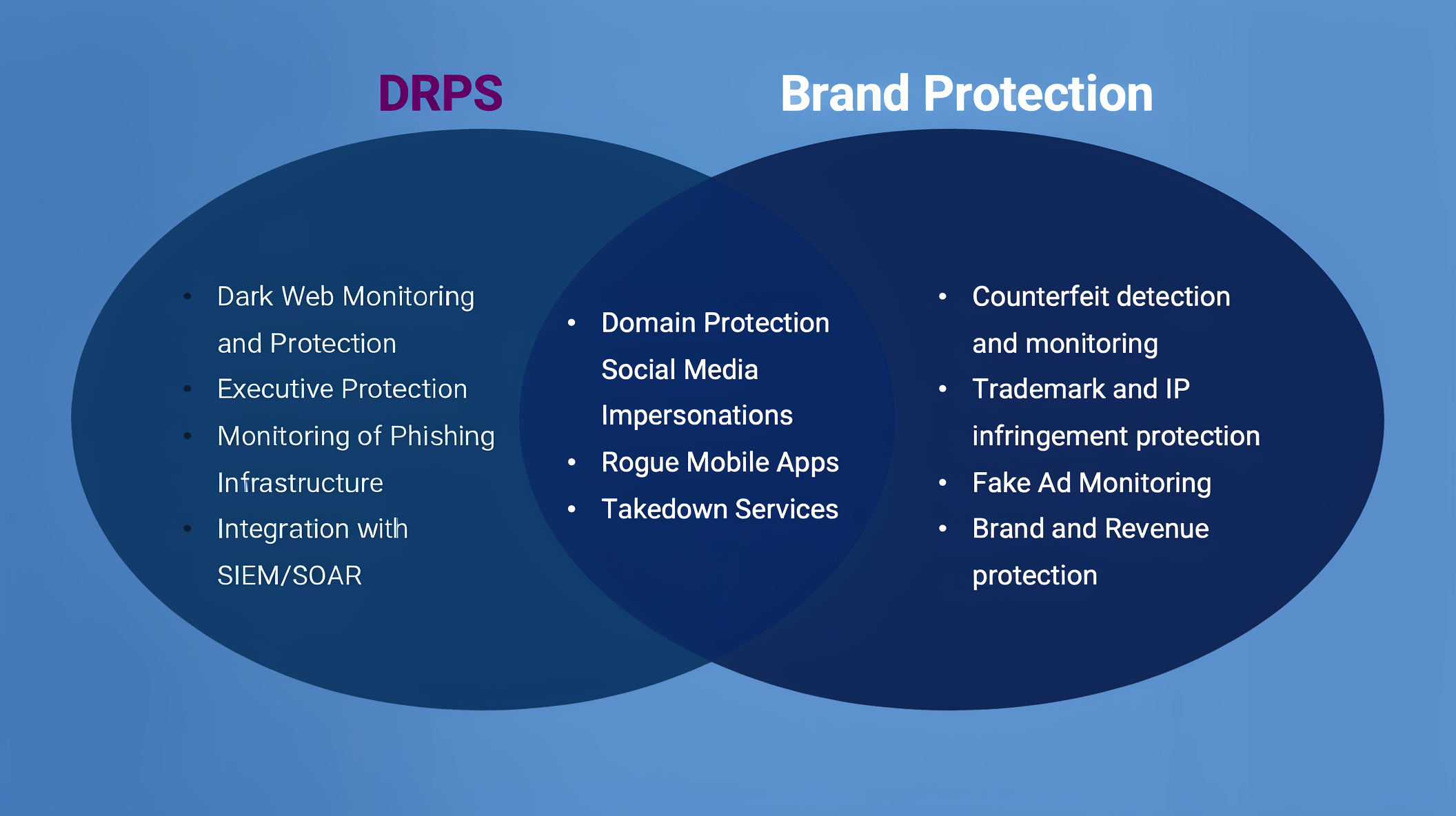
While the DMCA is powerful for copyright, businesses also face brand abuse, phishing, and impersonation threats. PhishFort’s broader Brand Protection Services help detect and remove fake websites, malicious apps, and fraudulent social media profiles, extending protection beyond copyright to full digital brand integrity.
Learn more at PhishFort Brand Protection Services.
Conclusion
The DMCA remains one of the most effective legal tools for protecting online content. Whether your articles, photos, or videos have been copied, DMCA takedown services simplify the process of enforcing your rights and removing infringing material quickly.
At PhishFort, our experts combine automation with legal precision to protect your digital assets, enforce your copyright, and maintain your brand’s reputation online.
Reach out to us today to learn how our DMCA takedown services can safeguard your intellectual property.