
Global Blocklist

Every Attack We Find is Blocklisted

Once we have identified an attack, we remove it. To do this we blocklist every threat and at the same time proceed to remove it, preventing access instantly.

View List

Real-Time Intelligence Flow
New Threat

PhishFort Partner API

Verified phishing, malware & scams pushed hourly

+25 Global Integrations
Google
Brave
MetaMask
Other Wallets
Edge
DNS Services
Antivirus
Warning

Deceptive site ahead

Domain & Emails Blocked
Back to safety

Threat Neutralized

Domain access and related emails halted

+418M Active Users
Our Blocklist is consumed by Web Browsers, Anti-Virus Providers, ISPs, and many others.
First Layer of Defence
We provide instant protection that safeguards before takedowns happen.
Year-Long URL Shielding
Following a takedown, blocked URLs remain on our list for a year, thwarting future attacks.

How it grows

Our blocklist gets populated and grows by clients and non-clients reports (via browser extension/nighthawk).

Once a URL gets reported, the report is classified by one of our analysts and flagged as malicious if it is targeting a legitimate project in any way.
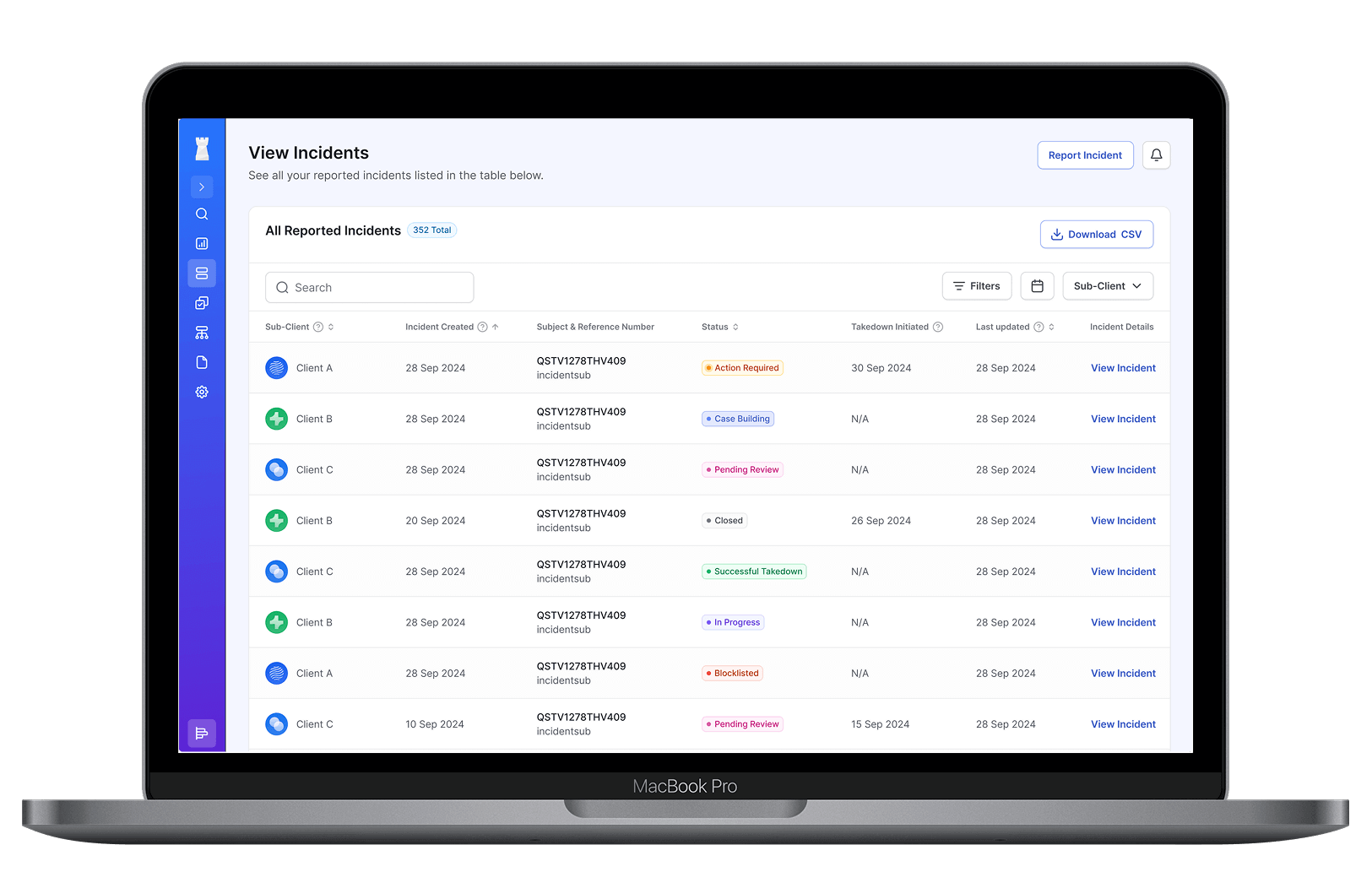
How it grows

We do not blocklist URLs automatically
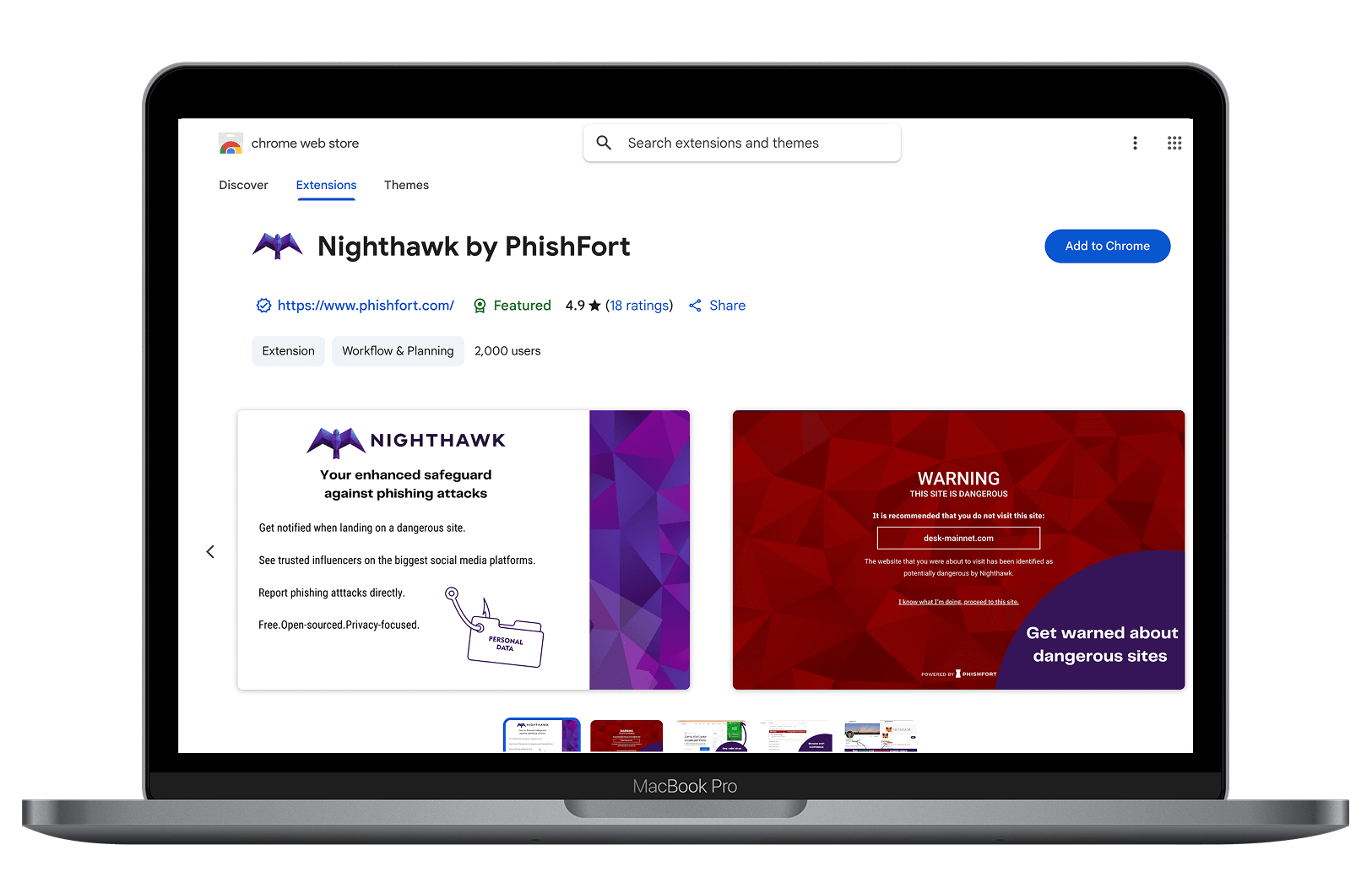
To halt phishing campaigns urgently, we blocklist sites first, and legitimate projects can request removal through GitHub PRs or email.
We do not blocklist URLs automatically

Fueling the Security Ecosystem

PhishFort’s blocklisting data is distributed through a network of 25+ global providers via our exclusive Partner Sharing API. Our Threat Resolution Team automatically updates incidents every hour to protect across the digital ecosystem.

Threat Intelligence

Integrated with premium malware analysis platforms and domain/URL abuse reporting services.

Domain & DNS Services

Consumed by domain registries and DNS providers that block malicious traffic instantly.

Web Browsers

Built-in threat detection for major and privacy-focused browsers (Google, Brave, Edge) and crypto wallets like MetaMask.

Cloud Infrastructure

Cloud service providers implement warning and blocking mechanisms based directly on our API.

Report Phishing Attempts

PhishFort will review each report and if accepted, will blocklist this across our network.

This site is protected by reCAPTCHA and the Google Privacy Policy and Terms of Service apply. By subscribing you agree to with our Privacy Policy and provide consent to receive updates from our company.

Frequently Asked Questions

Learn more about our blocklisting process and partnerships.
What is the meaning of "blocklist"?
Blocklisting is the process of identifying and preventing access to malicious online entities, such as domains, social media accounts, or IP addresses. A blocklist is a meticulously maintained database of these identified threats utilized by security providers, web browsers, antivirus solutions, and internet service providers to automatically alert and protect users before harmful activity can cause damage.
When does PhishFort blocklist an incident?
When our operations team is handling a takedown request, the submission to our partners’ blocklists is triggered automatically for specific incidents: Phishing cases, proven Scam cases, and Malware cases. Every time we begin a takedown process for these three attack types, the system automatically updates the incident’s status to be submitted to all integrated blocklists.
Who consumes the PhishFort blocklist?
Our blocklist is consumed by over 25 global providers, including major web browsers (Google, Brave, Edge), crypto wallets (MetaMask and others), premium malware analysis platforms, domain registries, DNS providers, URL reputation APIs, and cloud service providers.
How can partners access the blocklist data?
We manage a private blocklist accessible exclusively through our Partner Sharing API. This API is managed by our Threat Resolution Team and automatically pushes the latest verified incidents from our database every hour, covering data from the past 1, 3, and 12 months.

Do you want to collaborate with us to fight cybercrime?